Long before the great Gothic cathedrals of France rose toward heaven, a young noble named Leonard walked the corridors of King Clovis I’s royal court. He had everything — honor, comfort, and power — yet his heart ached for something higher than the glitter of gold and the applause of men.
When St. Remigius, the holy bishop who baptized King Clovis, preached the Gospel to the court, Leonard listened — and the fire of faith was lit in his soul. He realized that earthly nobility meant little beside the royalty of grace.
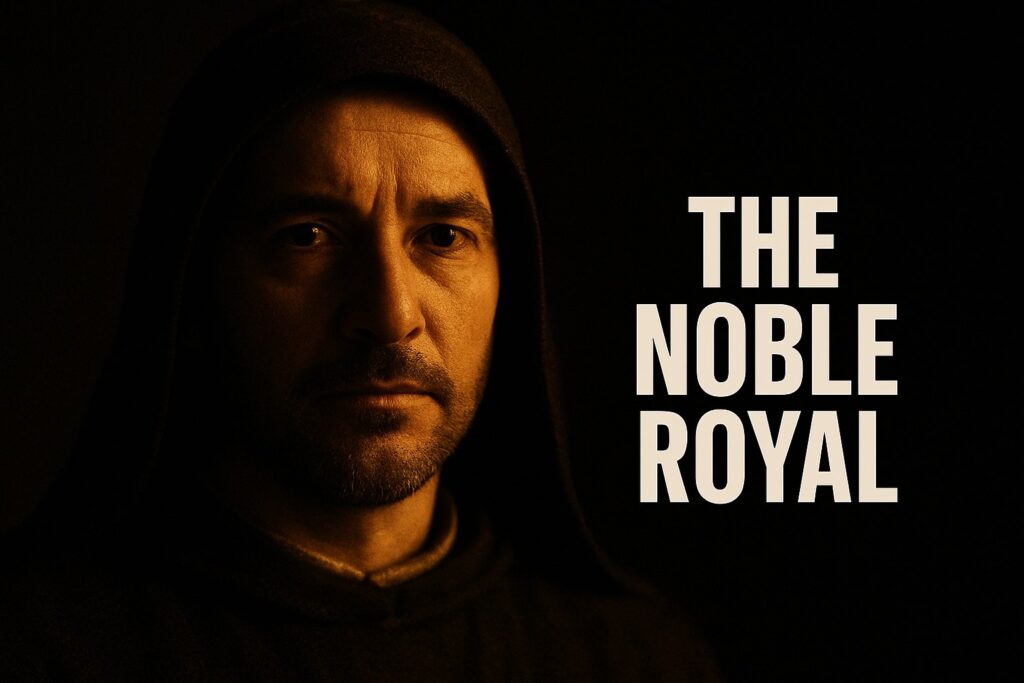
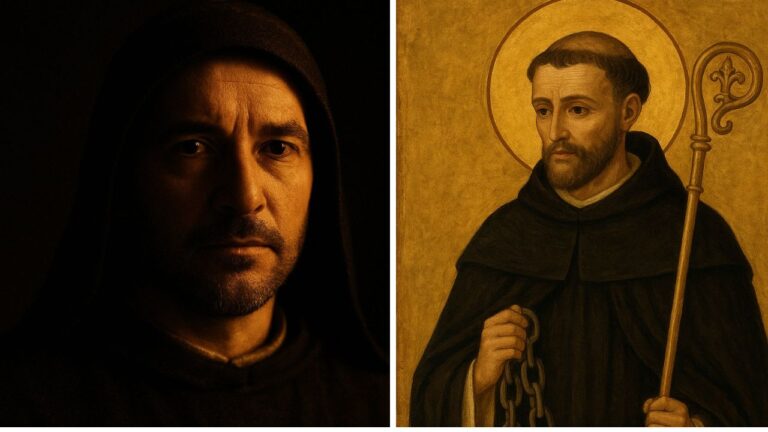
After his baptism, Leonard’s life took a turn that startled his peers. While others sought rank and prestige, he began seeking prayer and penance. He visited the poor, comforted the sick, and interceded for prisoners — even pleading with the king to show mercy to those unjustly condemned. His compassion was so genuine that King Clovis granted Leonard an extraordinary privilege: the right to free captives he judged worthy of pardon.
It wasn’t long before people began to whisper of miracles. Chains seemed to fall away when Leonard prayed. Prison doors opened not by force, but by faith. Men who once sat in darkness walked free, praising God for this humble noble who loved mercy more than glory.
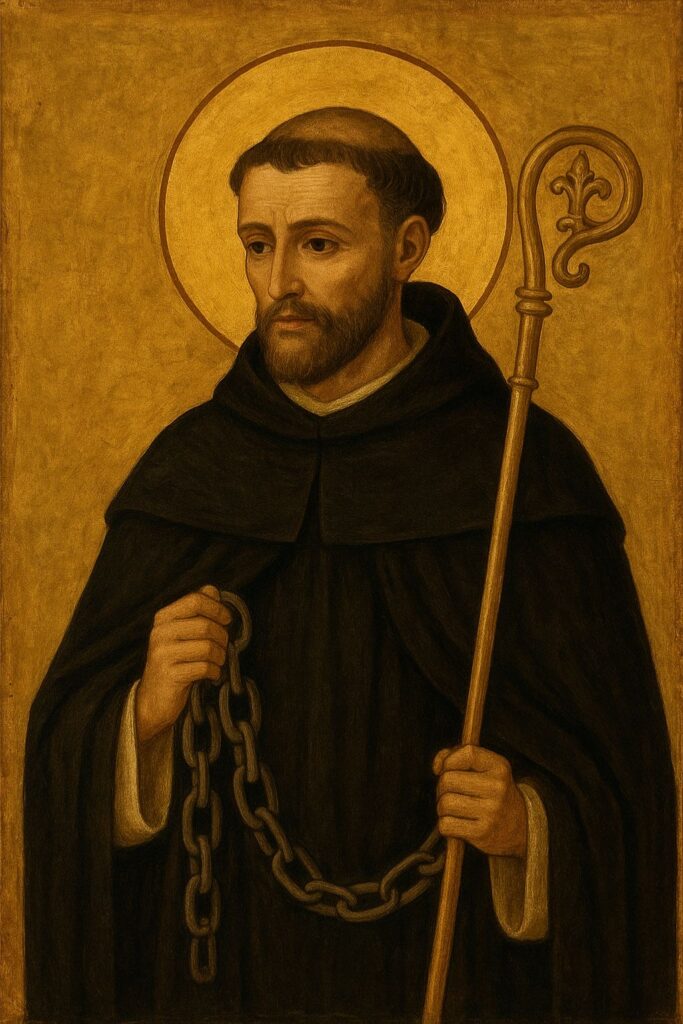
But Leonard’s heart longed for solitude — for communion with God alone. He refused all offers of bishoprics and honors, retreating instead into the forests of Limousin, where he lived as a hermit. There, surrounded by silence, he prayed, fasted, and tilled the land with his own hands. Yet even there, grace found him.
One day, the queen of France went into difficult labor. Her life — and the child’s — hung by a thread. The king cried out to God and vowed that if she were delivered safely, he would grant land to Leonard. The prayer was answered. The child was born healthy, and the king kept his word.
On that land, Leonard built an abbey — a place that became both a sanctuary and a beacon of freedom. Pilgrims flocked to him; the sick were healed; the bound were freed. He became a living symbol of what the Gospel truly means: “The Lord has sent me to proclaim liberty to captives.”
When Leonard died around 559 AD, his fame had already spread beyond France. Travelers carried stories of the hermit who broke chains and built hearts. Across Europe, chapels and towns were dedicated to him — especially in places where prisoners found hope and mercy.
Today, St. Leonard of Noblac is remembered not as a warrior or ruler, but as a man who used his freedom to free others — a noble who traded a crown for a cross.
Reflection
Freedom doesn’t come from wealth or power — it comes from surrendering to Christ. St. Leonard’s story reminds us that true greatness lies not in being served, but in serving those still in chains — physical, emotional, or spiritual.
If you ever feel imprisoned by fear, guilt, or sin — call upon St. Leonard. He’ll remind you: no chain is too heavy for God to break.