Today, the Church continues its Advent journey, reminding us to remain awake, hopeful, and ready for the coming of Christ. The readings call us to trust in the Lord’s tenderness and healing power — especially in moments of weakness.
God promises restoration, strength, and joy to all who place their hope in Him
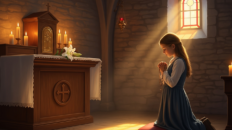
Prayer of the Day
Heavenly Father,
In this blessed Advent season, open my heart to Your healing presence.
Strengthen every area of my life that feels weak, wounded, or weary.
Guide my thoughts, my steps, and my decisions today.
Fill me with hope, patience, and trust in Your promises.
As I prepare for the coming of Christ, help me walk in humility, love, and obedience.
Through Jesus Christ our Lord.Amen
Mass Reading of the Day
(This corresponds to the Advent weekday readings for December 4 in the liturgical cycle.)
First Reading — Isaiah 41:13–20
God reassures His people: “Fear not, I will help you.”
He promises to strengthen the weak, transform the barren land into fertile gardens, and show His glory through those who trust in Him.
Responsorial Psalm — Psalm 145:1 & 9, 10–11, 12–13ab
A joyful song proclaiming God’s compassion and kindness.
The psalm praises the Lord as gracious, merciful, and rich in love, faithful in all His works.
Gospel — Matthew 11:11–15
Jesus speaks of John the Baptist, praising his greatness and mission.
He emphasizes that the Kingdom of God is advancing, and only the spiritually courageous will take hold of it.
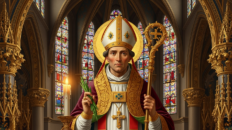
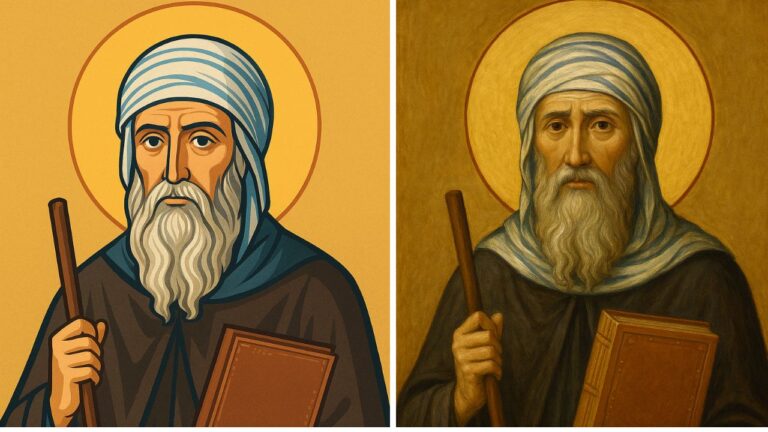
Saint of the Day: St. John Damascene (St. John of Damascus)
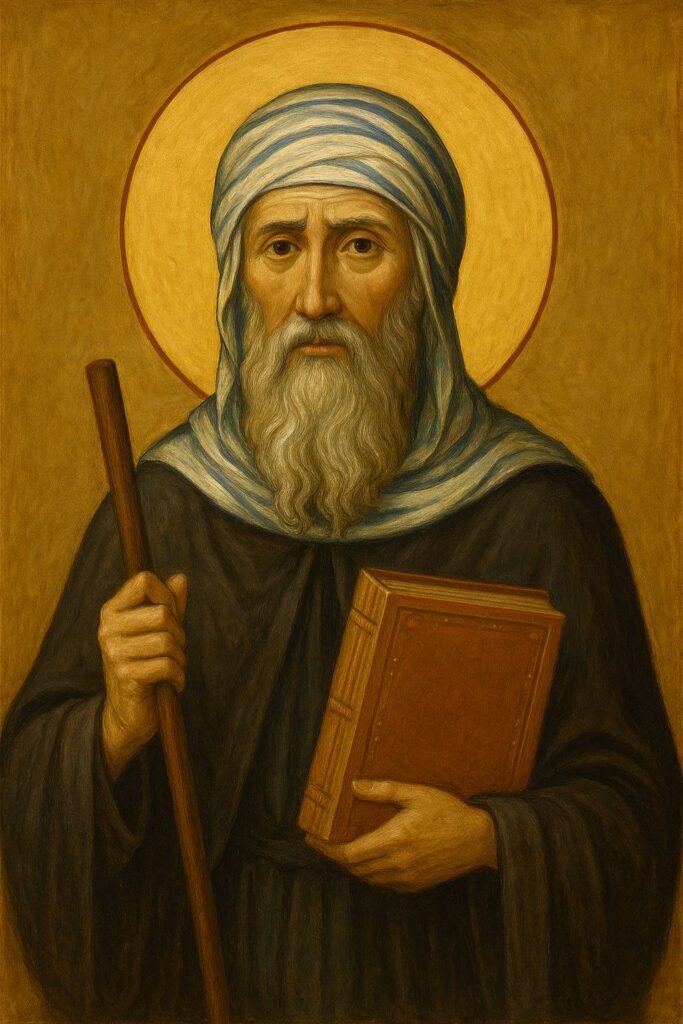
Born in 7th-century Damascus to a Christian family under Islamic rule, John received one of the finest educations of his time, mastering philosophy, theology, poetry, and even Islamic scholarship.
He first served in a high civil position in the government — a prestigious, comfortable role he could have kept for life. But God’s call was stronger.
John left everything behind — wealth, influence, and comfort — and entered the desert monastery of Mar Saba near Jerusalem. There he embraced prayer, silence, poverty, and study.
During his lifetime, the Church faced a major crisis: the Iconoclast controversy. Some leaders wanted to destroy all sacred images, claiming Christians should not depict Christ or the saints. This threatened the very heart of Christian worship.
But John stood up fearlessly, writing powerful defenses of holy images. Because he lived under Muslim rule, his enemies could not silence him easily — God placed him in the perfect position to protect the truth.
His writings later shaped Christian doctrine for centuries. His masterpiece, “Exposition of the Orthodox Faith,” is considered one of the clearest summaries of Christian theology ever written. He is revered today as a Doctor of the Church, the “Last of the Greek Fathers,” and one of the greatest defenders of Christian art and tradition.
He died peacefully at Mar Saba in 749, loved as a monk, a scholar, a poet, and a hero of the faith.
10 Facts About St. John Damascene
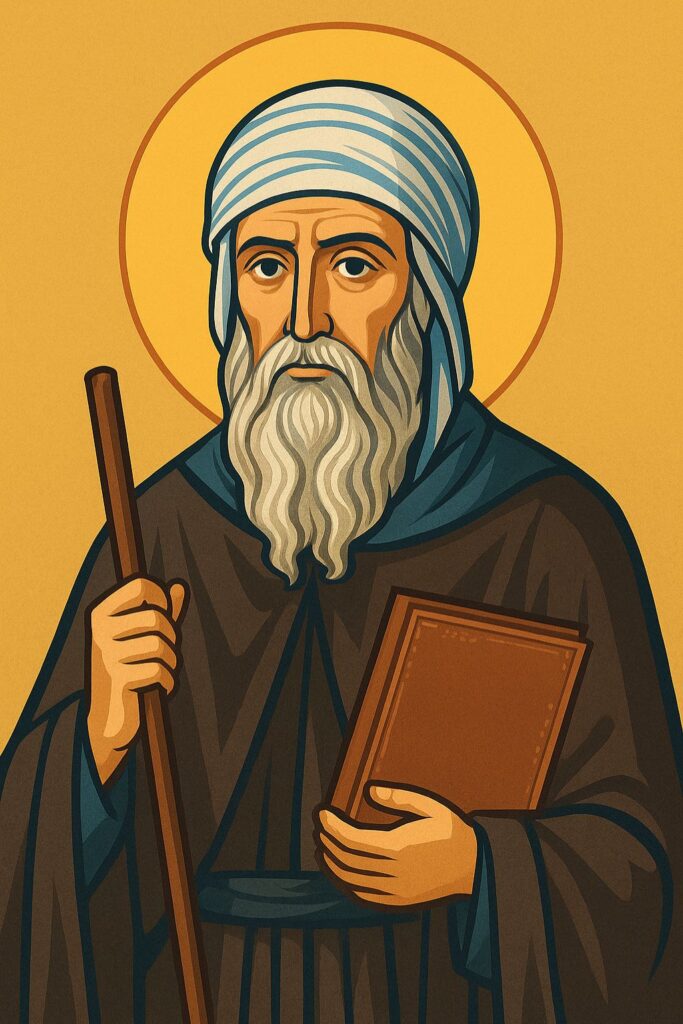
- Born in Damascus around 676 AD.
- Came from a wealthy Christian family under Muslim rule.
- Received one of the best classical educations of his era.
- Served in high government service before embracing monastic life.
- Became a monk at Mar Saba Monastery near Jerusalem.
- Authored important theological works still studied today.
- Fearlessly defended the use of sacred icons during the Iconoclast crisis.
- Nicknamed “The Golden Speaker” for his writing and preaching brilliance.
- Wrote many hymns still used in Eastern Christian liturgies.
- Declared a Doctor of the Church, honored as a protector of sacred art, writers, and theologians.