In the rolling hills of 16th-century Ukraine, a young boy named John Kuntsevych would often slip into the quiet corners of his village church, gazing in awe at the crucifix. Something stirred deep within him — not fear, but love. He once told his mother, “See, Mama, Jesus’ wounds are still open because people do not love Him enough.”
That tender compassion became the defining mark of his life.
From Merchant’s Son to Monk
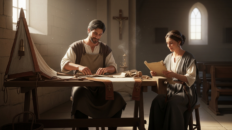
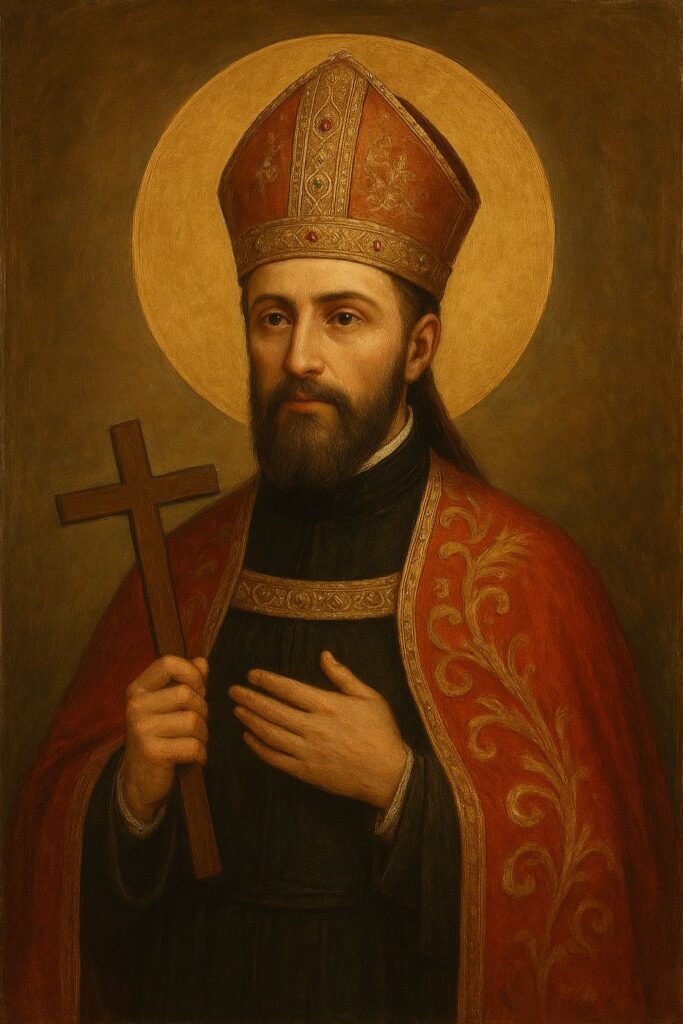
Born around 1580 into a devout but ordinary family, John was expected to follow his father into business. But the world’s profits couldn’t compete with the joy he found in prayer. In his teens, he joined the Basilian monks of the Eastern Rite and took a new name — Josaphat.
His new life was one of deep fasting, long vigils, and tireless study of Scripture. Fellow monks often found him kneeling in the chapel late into the night, whispering, “Lord, make us one.”
A Bishop with a Burning Heart
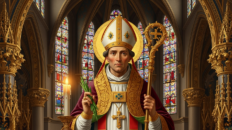
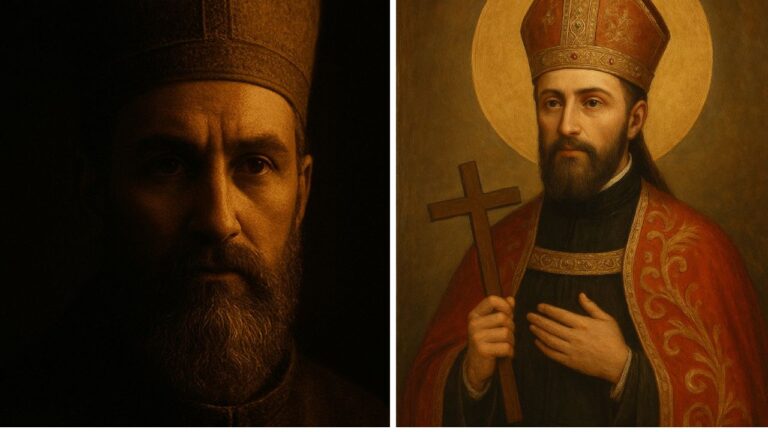
When Josaphat was made Archbishop of Polotsk, he inherited a divided Church. The wounds of the Great Schism still bled between East and West. Some Christians longed for unity with Rome; others resisted fiercely.
But Josaphat was fearless. He refused to see enemies — only brothers and sisters torn apart by misunderstanding. He preached peace, upheld ancient Eastern traditions, and worked for reunion under the Pope’s authority. His motto was simple:
Unite, and let love heal what pride has broken
Martyr for Unity
His efforts, however, stirred rage. Enemies accused him of betraying his people. Mobs formed. Still, Josaphat would not retreat. “If I am counted worthy to die for the cause of unity,” he said, “then I shall rejoice.”
On November 12, 1623, an angry crowd stormed his residence in Vitebsk. As they struck him down, he whispered the same words Christ spoke from the Cross:
Lord, forgive them.
His body was thrown into a river — but the waters could not drown his legacy.
The Saint Who Still Unites
In the years that followed, miracles were reported through his intercession. Even one of his own murd*r*rs repented and returned to the Church. In 1867, Pope Pius IX canonized him as a martyr for Church unity — a bridge between East and West.
Today, St. Josaphat’s story is a blazing reminder that unity isn’t built through force, but through love, prayer, and sacrifice. His courage still challenges us to mend divisions — in the Church, in families, and in our own hearts.
Blessed are the peacemakers, for they shall be called children of God.
Matthew 5:9