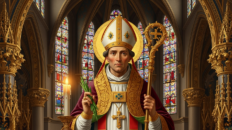
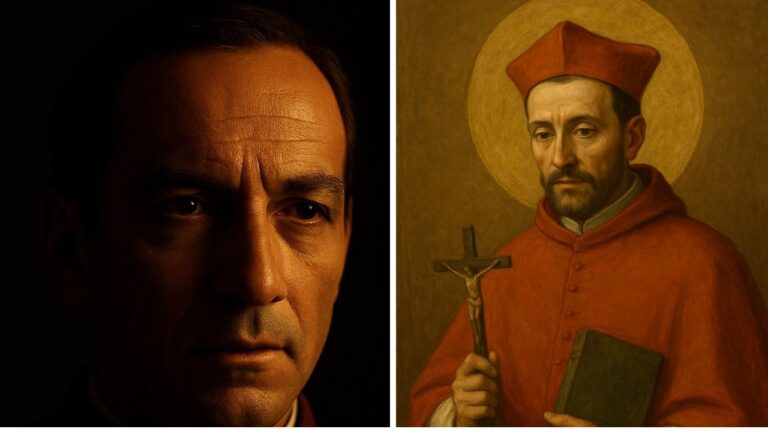
In the glittering courts of Renaissance Italy, young Charles Borromeo was born into privilege. His uncle was the Pope, his family name opened every door in Rome, and he could have lived a life of luxury, comfort, and prestige.
But Charles had a burning conviction — that all the power and glory in the world meant nothing if his heart wasn’t fully given to God.
From Nobility to the Heart of the Church
Born on October 2, 1538, at the Borromeo castle near Lake Maggiore, Charles was brilliant and devout from childhood. His deep love for the Church caught the attention of his uncle, Pope Pius IV, who made him a cardinal at just 22 years old.
The young cardinal could have easily settled for being a polished churchman in silk robes, attending banquets and wielding influence in the papal palace. But something stirred within him — a holy restlessness.
The Church was in crisis. The Protestant Reformation had shaken Europe, and corruption had crept into the very heart of Catholic life. Charles knew that change had to begin from within.
The Reformer’s Fire
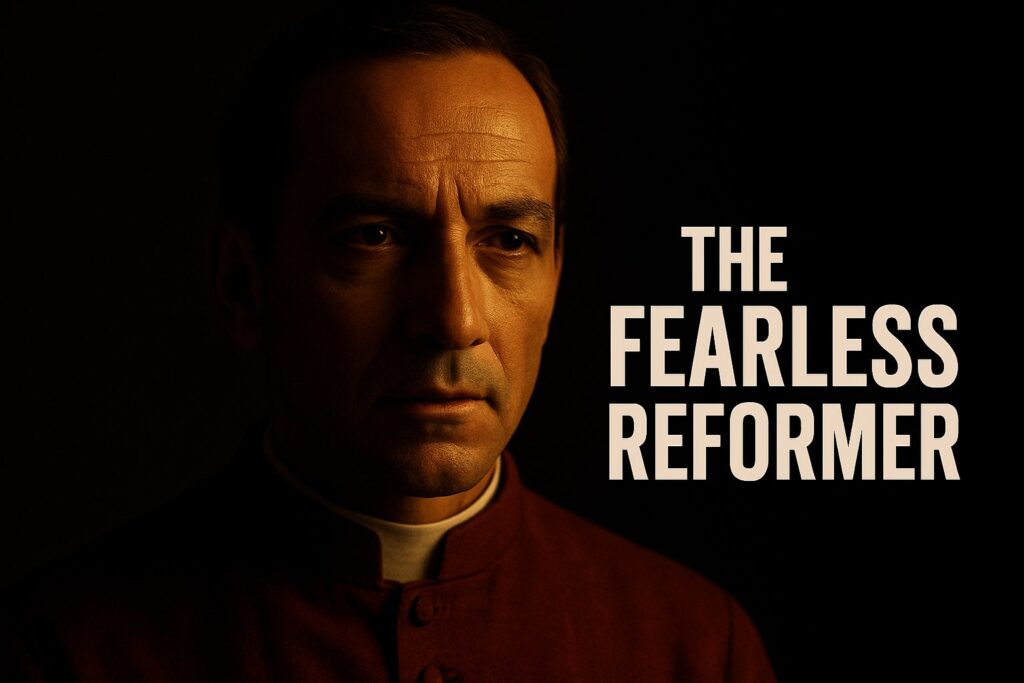
When he became Archbishop of Milan in 1564, Charles saw a diocese that had lost its zeal. Priests were poorly trained, monasteries were lax, and many people had drifted from the faith.
He didn’t just complain about it — he rolled up his sleeves and got to work. 💪
Charles personally visited every parish in his vast diocese (some by foot!), founded seminaries to properly train priests, and re-introduced the Catechism of the Council of Trent so that ordinary people could understand their faith again.
He taught by example — a nobleman who chose simplicity, fasting, and prayer.
A Shepherd in the Plague
Then came the plague of 1576, a catastrophe that emptied the streets of Milan. Most nobles fled. Government officials hid. Even priests feared to enter the sickrooms.
But not Charles.
The Archbishop walked barefoot through the city, carrying a wooden cross, visiting plague victims, hearing confessions, and anointing the dying with his own hands.
He opened hospitals, fed tens of thousands daily, and sold his possessions to fund the relief effort. When even the city treasury ran dry, he borrowed money in his own name to feed the hungry.
While others closed their doors, Charles opened his heart.
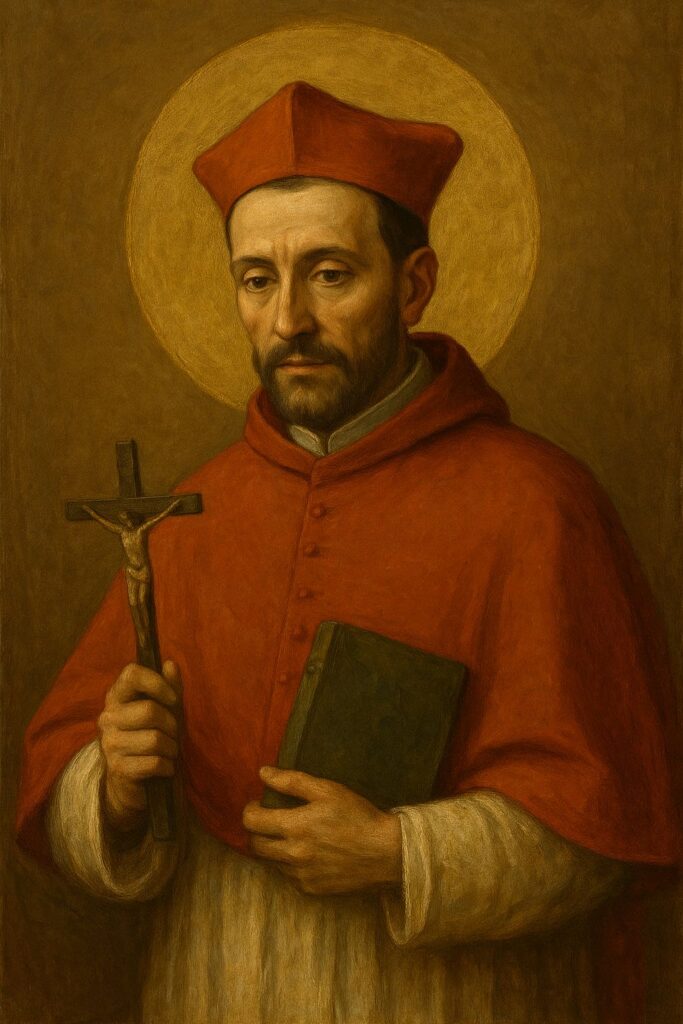
The Legacy of a True Shepherd
By the time the plague ended, the people of Milan had seen the face of Christ — in the compassion and courage of their archbishop.
Exhausted by years of reform, fasting, and service, St. Charles Borromeo died at just 46 years old on November 3, 1584. Yet his short life transformed the Church forever.
He became a saint of action — a man who proved that holiness isn’t about status, but sacrifice.
His Legacy Lives On
- Rebuilt the faith of northern Italy
- Strengthened priestly formation through seminaries
- Revived catechesis for ordinary Catholics
- Became a model for all bishops and Church leaders
- Remains the patron saint of bishops, catechists, and seminarians
A Quote to Remember
Be sure that you first preach by the way you live.
If you do not, people will notice that you say one thing but live another.
— St. Charles Borromeo
Feast Day: November 4
Patron of: Bishops, Catechists, Seminarians, and Spiritual Directors
May St. Charles Borromeo inspire us to be fearless reformers in our own lives — to love the Church passionately, serve the poor humbly, and walk boldly in faith, even when the road ahead looks hard.