The Catholic Church’s care for the poor, the marginalized, and the suffering is not an optional charity — it is a fundamental expression of the Gospel. Jesus said: “Whatever you did for one of the least of these brothers and sisters of mine, you did for me.” (Matthew 25:40)
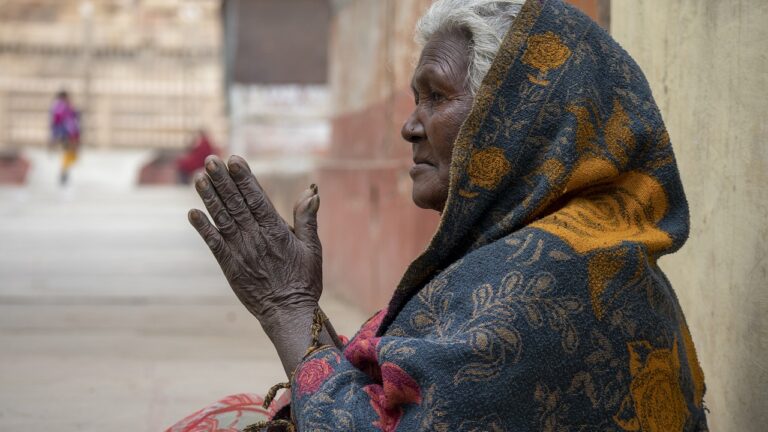
These sympathetic prayers for the needy are for those who want to bring the needs of the poor and suffering before God — whether in intercessory prayer for others, or as a reminder to ourselves of our call to active charity.
Whoever is kind to the poor lends to the Lord, and he will reward them for what they have done.”
Proverbs 19:17 (NIV)
Heavenly Father, we come before you with hearts full of compassion, inspired by your Word that teaches us the beauty of kindness to the less fortunate. In a world often filled with challenges and uncertainties, we lift up those who are in need, knowing that your love and grace are ever-present.
Lord, open our eyes to see the struggles of the marginalized, the lonely, and the downtrodden. Grant us the wisdom to extend a helping hand, just as you have extended your boundless mercy to us. In times of despair, may we be beacons of hope, reflecting the light of your love to those who feel surrounded by darkness.
We pray for the hungry, that they may find sustenance. For the lonely, that they may discover companionship. For the brokenhearted, that they may experience the soothing balm of your comforting presence. May our actions speak louder than our words, as we strive to emulate the selfless love modeled by your son, Jesus Christ.
As we navigate the complexities of life, let us not forget the importance of empathy and generosity. May our Practical Faith lead us to tangible expressions of love, not only in our prayers but in our daily interactions with those in need. Lord, make us instruments of your peace, shining examples of the transformative power of compassion.
In the name of Jesus Christ, who showed us the ultimate example of sacrificial love, we pray. Amen.
Catholic Social Teaching and Care for the Poor
The Church’s commitment to the poor is rooted in Scripture and tradition spanning two thousand years. The preferential option for the poor — a term developed in Catholic Social Teaching — expresses the Church’s conviction that God has a particular concern for those who are most vulnerable, and that we are called to share that concern.
The Catechism states: “Love for the poor is incompatible with immoderate love of riches or their selfish use.” (CCC 2445) And the Second Vatican Council’s Gaudium et Spes calls attention to “the crying inequalities of the world” and urges Catholics to active solidarity with those who suffer.
Who Are “The Needy” We Pray For?
When we pray for the needy, we pray for a vast and diverse community of suffering humanity:
• The materially poor — those lacking food, shelter, and clothing
• The spiritually poor — those without faith, hope, or meaning
• The sick and disabled — facing illness without adequate care
• The lonely and isolated — elderly people abandoned, prisoners, the marginalised
• Migrants and refugees — fleeing violence or poverty
• Children in poverty — born into circumstances beyond their control
Prayer Without Action is Incomplete
Saint John Chrysostom put it bluntly: “If you cannot find Christ in the beggar at the church door, you will not find Him in the chalice.” Our prayers for the needy are most powerful when accompanied by action. This might mean:
Financial giving — to Catholic charities, local food banks, international aid organisations
Volunteering — at homeless shelters, soup kitchens, or visiting the elderly
Advocacy — speaking up for just policies that protect the vulnerable
Personal encounter — seeing and acknowledging the dignity of every person we meet, regardless of status
The Reward of Charity
Proverbs 19:17 (quoted in this prayer) makes a striking claim: whoever is kind to the poor “lends to the Lord.” This is an extraordinary statement. God considers Himself a debtor to those who care for His poor. This is the economy of the Gospel — where ordinary acts of generosity become investments in the Kingdom of God.
As you pray this prayer, let it move beyond words into a concrete decision: What will I do today for someone who is needy?